By Chef Melissa Garrett
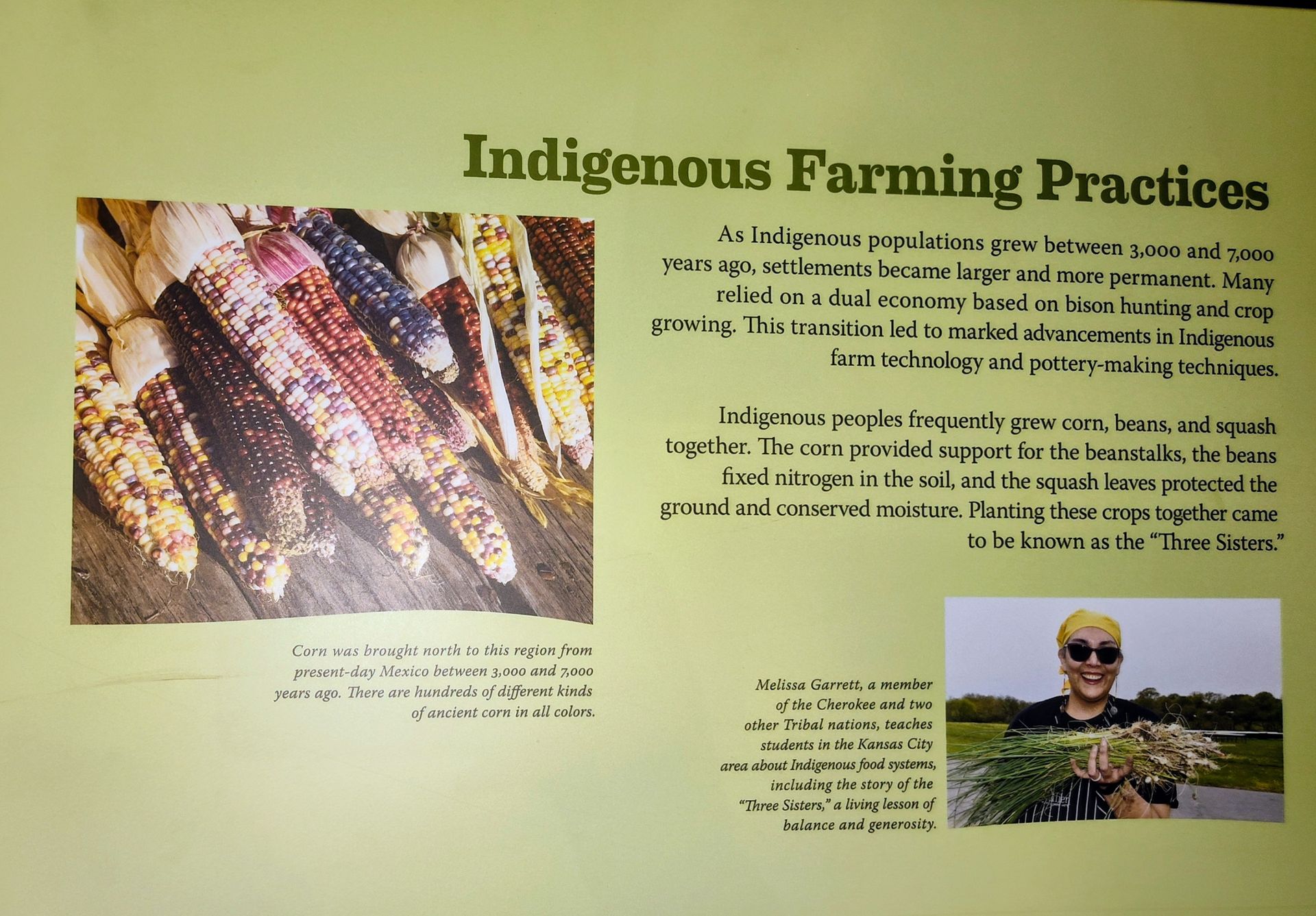
Today I experienced one of those rare, quiet earthquakes — the kind that shift something inside you and leave you standing still, holding your breath.
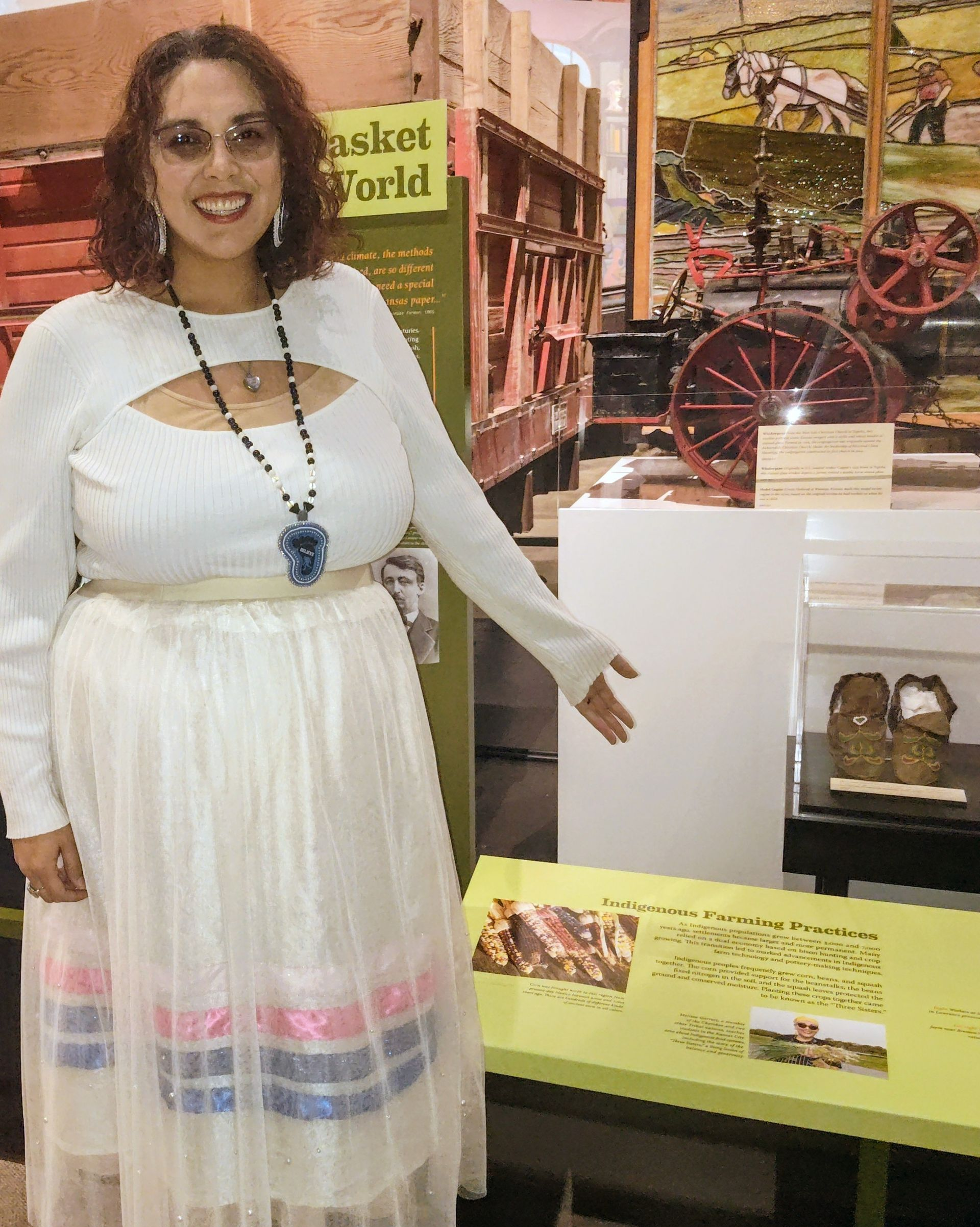
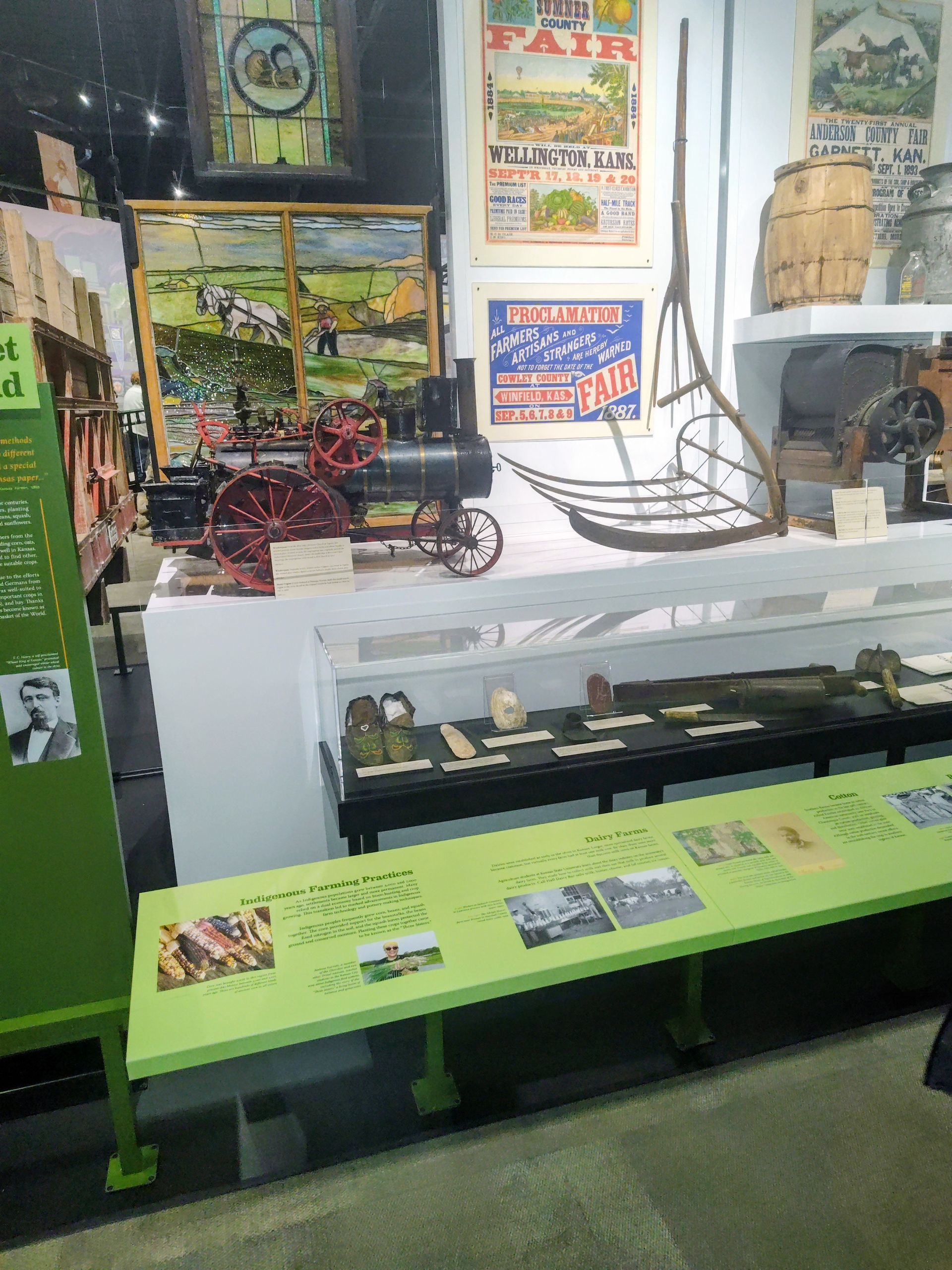
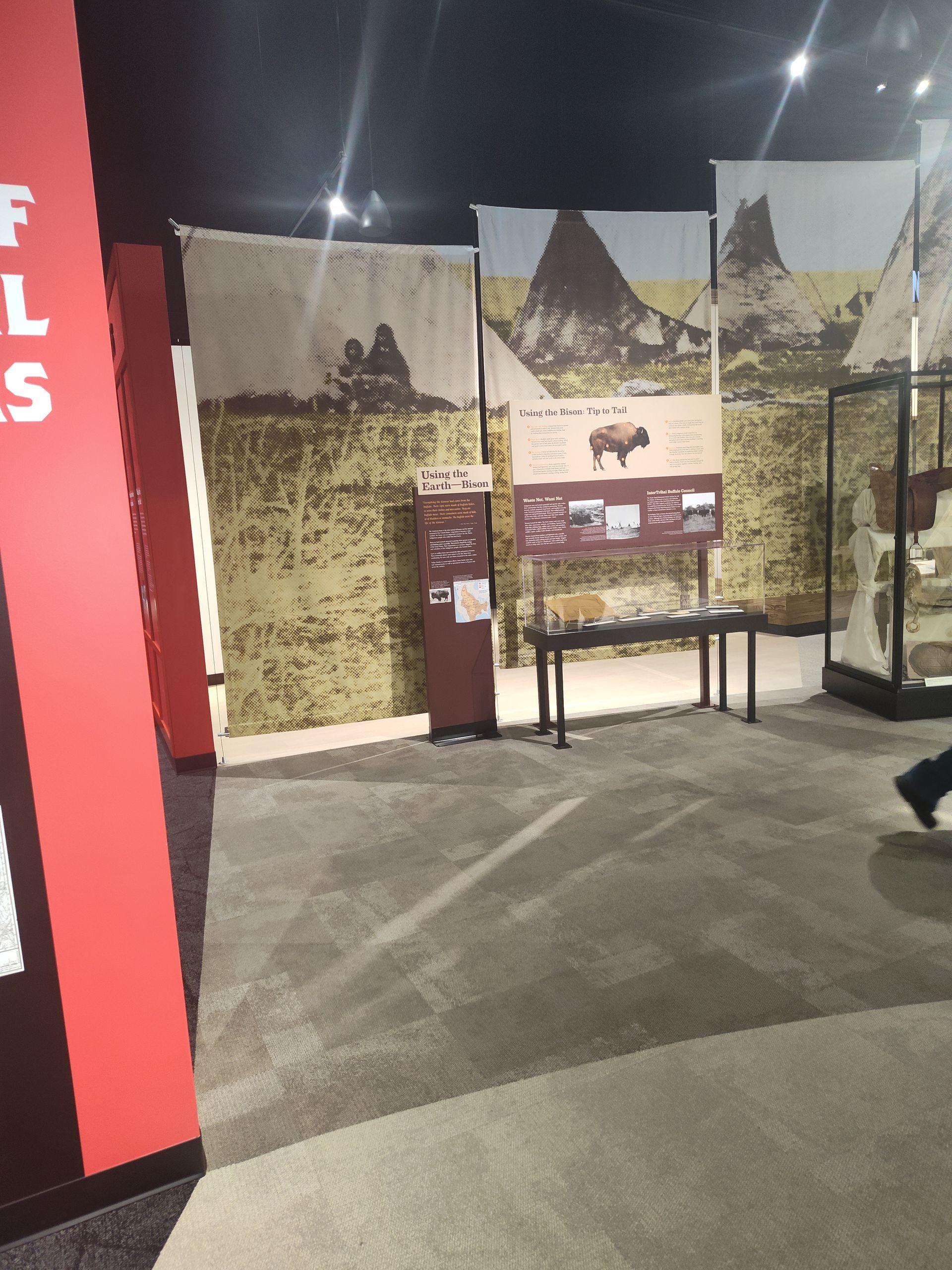
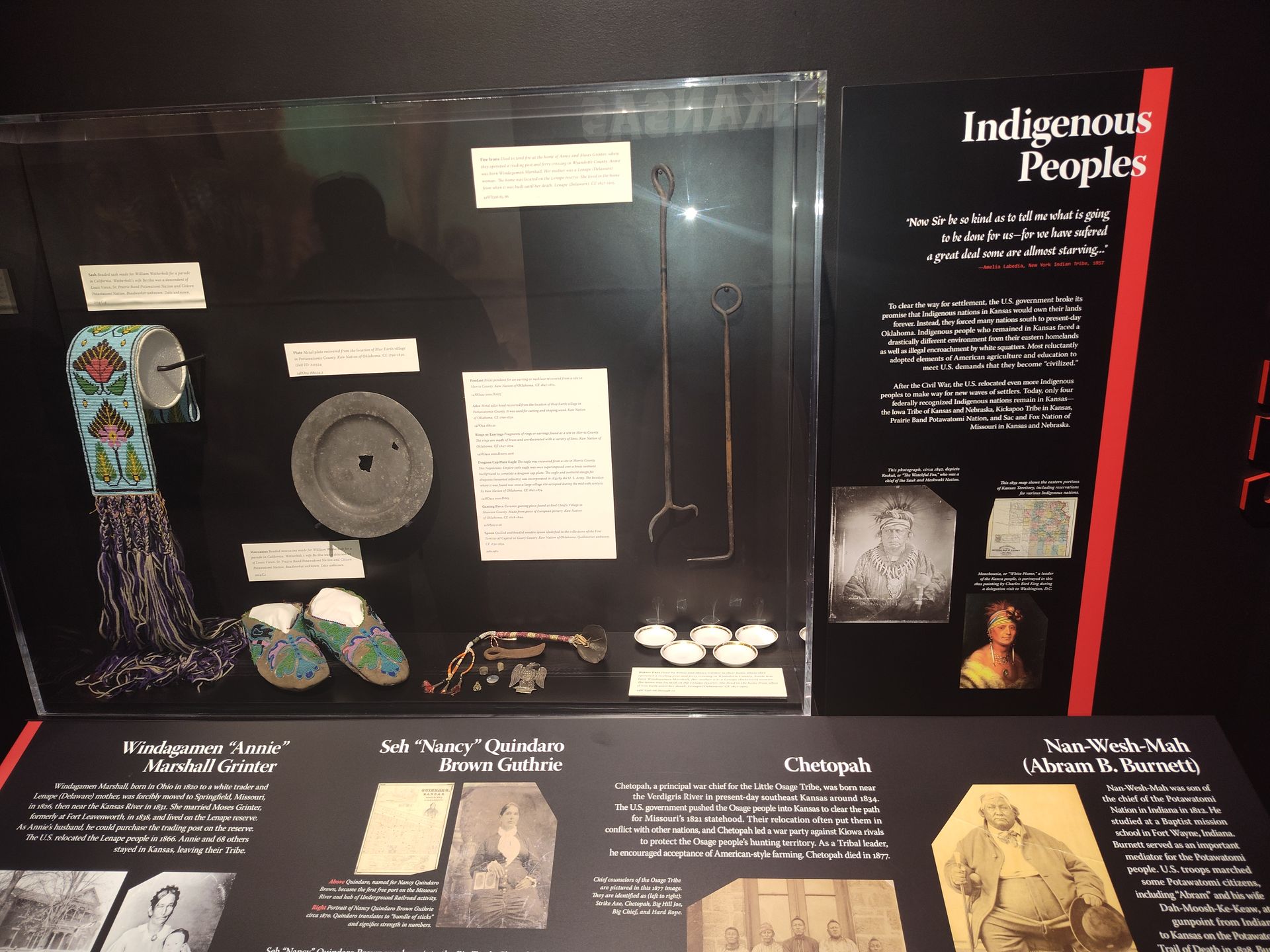
I walked into a museum to see a new exhibit on Indigenous farming practices, and there I was... right beside the teachings of the Three Sisters.
And the photo they chose — the one representing Indigenous food systems and cultural survival — was taken by my daughter.
Her little hands. Her perspective. Her love.
That alone would have been enough to undo me.
But being in that exhibit brought another wave I didn't expect — the way that food carries memory so powerfully that it can bring someone back into the room with you.
There are foods I can't make without crying.
Beans are the hardest.
Because the moment I rinse them, the moment I hear them hitting the pot, the moment the aroma starts rising — I'm standing in my grandma's kitchen again.
The sound of her spoon against the pot.
The look she gave me when she realized I was paying attention.
The smell of home, even when life didn't feel steady.
I make my beans exactly the way she did, even now.
Not because it's the easiest way or the fastest way — but because it's the way that keeps her close.
I cry almost every time.
And I love that.
I love that food can hold a memory so tightly it refuses to let it fade.
That is what Indigenous food sovereignty means to me.
Not just reclaiming ingredients.
Not just rebuilding food systems.
But holding onto the people who fed us, even after they're gone.
Letting the recipes keep speaking when their voices have gone quiet.
Standing in that museum, surrounded by the stories of our people, I felt my ancestors with me.
The ones who taught without knowing they were teaching.
The ones who fed without knowing they were preserving a culture.
The ones who would have been so proud to see this moment — to see me teaching, planting, cooking, and carrying this work forward.
But I was not alone today.
I felt the strength of my living family too — my husband, who has carried so much of this journey with me, steady and unwavering, even in the moments when I doubted myself.
I felt my mom, whose presence is stitched into everything I cook and everything I love.
I felt my sister, whose support has been a backbone for me in more ways than she realizes.
And I felt my cousin, who has shown up for me again and again with encouragement, laughter, and love.
Every one of them has helped me keep going on the hard days.
Every one of them has celebrated the small victories and held space for me when the work felt heavy.
And somewhere in the middle of all of it — the beans, the corn, the squash, the tears, the memories, the museum lights — I realized something:
Our foods evolve, but the love inside them never changes.
Our stories adapt, but the truth inside them stays the same.
And even when the people we love are no longer here, the recipes let them come home to us.
Today wasn't just about being featured in an exhibit.
It wasn't just about being seen.
It was about understanding that every seed I plant, every lesson I teach, every pot of beans I stir —
I am not doing any of it alone.
I carry my grandmother.
I carry my ancestors.
I carry my daughter.
I carry my husband, my mom, my sister, my cousin, my community, and the generations yet to come.
And maybe that's why this moment feels so big — because it isn't just mine.
It belongs to everyone who fed me, loved me, taught me, believed in me, and walked with me, seen and unseen.
This is what food sovereignty looks like in real time:
memory, reclamation, evolution, and love — all simmering in the same pot